How to get a business credit card for your LLC (4 ways to improve your chances)


Written byAnna Baluch & Robin Saks Frankel

Summary
- If you have an LLC, a business credit card can help you separate your personal and business finances while building business credit.
- It's not as difficult as you might think to get a business credit card, even without business credit history.
- We'll dive deeper into four potential paths to secure a business credit card for your LLC.
Compare business credit cards for LLCs 2026
The right business credit cards for LLCs in 2026 depend on your unique business and needs. But strong picks include: Bank of America® Business Advantage Customized Cash Rewards Mastercard® credit card , , Costco Anywhere Visa® Business Card by Citi, and The American Express Blue Business Cash® Card.
Here’s a breakdown of what you can expect from each one:
Bank of America® Business Advantage Customized Cash Rewards Mastercard® credit card | Costco Anywhere Visa® Business Card by Citi | The American Express Blue Business Cash® Card | ||
Annual fee | $0.00 | $0 with your active/paid Costco membership | $0 | |
Rewards rate | 3% cash back in the category of your choice (for the first $50,000 in combined choice category/dining purchases each calendar year, 1% thereafter), 2% cash back on dining purchases (for the first $50,000 in combined choice category/dining purchases each calendar year, 1% thereafter), and 1% cash back on all other purchases. | 3% cash back on restaurants and eligible travel purchases and eligible travel, including Costco Travel. 2% cash back on all other purchases from Costco and Costco.com. 1% cash back on all other purchases. | Earn 2% cash back on all eligible purchases on the first $50,000 of purchases each calendar year, 1% thereafter. | |
Intro APR | 0% for 7 billing cycles on purchases | N/A | N/A | 0% on purchases for 12 months from date of account opening |
Best for | Businesses with moderate spending needs looking for a flexible, no annual fee cash-back card | Businesses who spend a lot in 2 of the 6 bonus categories | New businesses who shop and gas up at Costco | Startups and newer small businesses who want to manage cash flow and make large purchases the first year |
*Information collected independently by Nav and are current as of Jan. 24, 2026. Rates, fees, rewards, and offers are subject to change and may vary by applicant
Bank of America® Business Advantage Customized Cash Rewards Mastercard® credit card
The $0.00-annual-fee Bank of America® Business Advantage Customized Cash Rewards Mastercard® credit card is ideal for those with varied spending, earning 3% cash back in the category of your choice (for the first $50,000 in combined choice category/dining purchases each calendar year, 1% thereafter), 2% cash back on dining purchases (for the first $50,000 in combined choice category/dining purchases each calendar year, 1% thereafter), and 1% cash back on all other purchases.Rewards can be redeemed as a deposit into your eligible Bank of America checking or savings account, as a card statement credit or as a check mailed to you. Other benefits include free employee cards, and a 0% for 7 billing cycles on purchases. There is also a welcome offer of $500 online cash rewards bonus after you make at least $5,000 in purchases in the first 90 days of your account opening.
The carries a annual fee but offers an array of valuable perks that can make the cost worth it. The reward rates are strong: The eligible bonus categories span across a wide range of business spending including media, electronic goods and software, restaurants, gas stations, transit, and monthly wireless telephone services.
In addition, there’s a
The card also comes with a number of potential credits including an up to a $155 Walmart+ subscription credit and perks when booking a hotel stay of two nights or more through Amex’s The Hotel Collection. Enrollment required.
Costco Anywhere Visa® Business Card by Citi
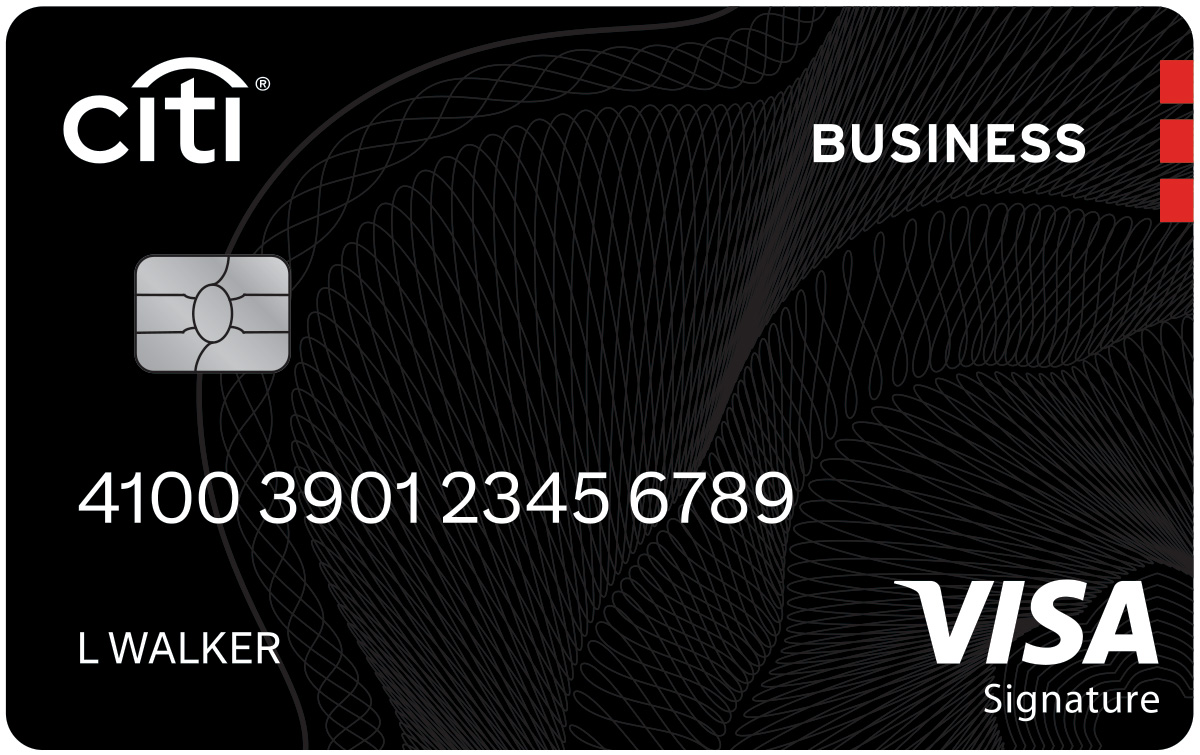
For new businesses that shop at Costco, the Costco Anywhere Visa® Business Card by Citi can help save money, especially on Costco fuel purchases. The card earns3% cash back on restaurants and eligible travel purchases and eligible travel, including Costco Travel. 2% cash back on all other purchases from Costco and Costco.com. 1% cash back on all other purchases. There’s no annual fee for the card but an active and valid Costco membership, which starts at $65 annually, is required to apply.
In addition to strong savings at the pump and off Costco’s already-low prices the card comes with a slew of included protections and insurances when you pay with the card including damage and theft protection, travel accident insurance and access to travel and emergency assistance.
The American Express Blue Business Cash® Card
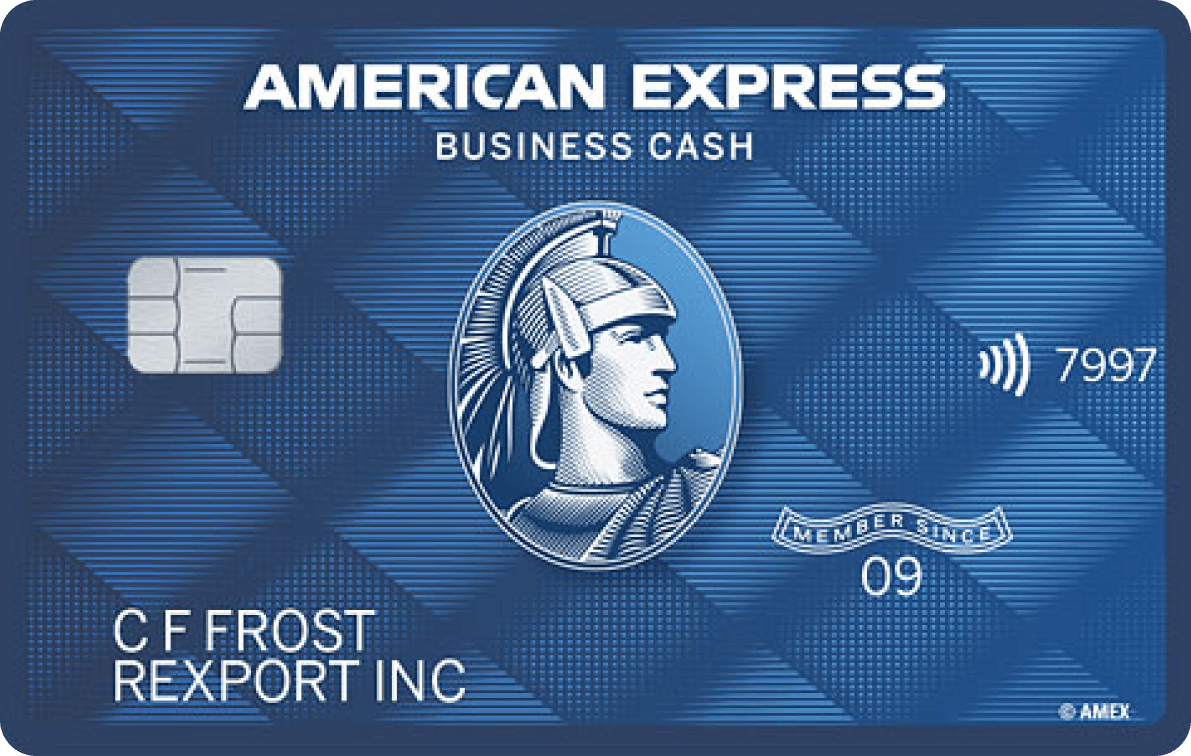
The American Express Blue Business Cash® Card has a $0annual fee and an easy-to-digest rewards rate. Earn 2% cash back on all eligible purchases on the first $50,000 of purchases each calendar year, 1% thereafter.For businesses with smaller spending, the straightforward and elevated cash-back rewards rate is a simple way to save.
Also helpful is the card’s 0% on purchases for 12 months from date of account opening. The Blue Business Cash has an expanded buying power feature that can allow your credit limit to adapt to varied spending needs. Further sweetening the deal is the card’s welcome bonus: Earn a $250 statement credit after you make $3,000 in purchases on your Card in your first 3 months.
How to get a business credit card for your LLC
If you’re interested in applying for a business credit card for your LLC, here are four paths to explore:
New LLC with good personal credit
If you have strong personal credit, you’ll have an array of good options. While every card has its own credit requirements, many of them look for a good score, which FICO® typically defines as 670 and above. Most issuers will ask you to show some form of personal income, even if your business hasn’t earned any revenue yet.
When you have strong credit, you’re more likely to qualify for cards that offer a rich array of benefits and perks, like high rewards and other potential credits and protections that can save you money. Consider cards like the , Chase Ink Unlimited and the Capital One Spark Cash Plus.
New LLC with fair or poor personal credit
If your credit score is less than stellar, (generally is a FICO Score of 669 and lower) you still have options but not as many as a business owner with good credit. Consider a secured business credit card like the Bank of America® Business Advantage Unlimited Cash Rewards Secured and the FNBO Business Edition® Secured Mastercard®, where you put down a deposit equal to the credit line you receive. There are also a handful of unsecured cards, like BILL Divvy Corporate Card and the Capital One Spark Classic Card that may be accessible to you, depending on your credit standing and other financial factors.
LLC with no credit check required
Most business credit cards do require a credit check with few exceptions. Other cards may not have a traditional credit check but instead may use deposits, revenue, or alternative underwriting. Approval criteria still apply. One option might be a secured credit card that requests a cash deposit upfront. Or, consider a card like the Revenued Card, which isn’t a traditional credit card but uses revenue-based financing to secure you a line of credit.
High-revenue LLC seeking corporate cards
Corporate credit cards are designed for larger businesses with larger annual revenues of at least $4 million. Depending on the card, you may be able to skip the personal guarantee, meaning you won’t have to put your personal savings or property on the line if you can’t make your payments. No personal guarantee cards are typically limited to larger, well-capitalized companies and may still involve entity-level guarantees or reserves. Potential options in this category include the Brex Corporate Card and the Ramp Visa Corporate Card.
Why your LLC needs a business credit card
A business credit card for your LLC allows you to easily separate business and personal spending, and potentially help to build business credit. You may also earn perks for your business spending, often in the form of cash back or travel points.
Business credit cards can also assist with cash flow, allowing you to cover recurring business expenses during off-seasons or providing the funds to buy supplies or inventory even when you don’t have the cash on hand.
How a business card protects liability
A business card helps prevent the commingling of business and personal expenses, supporting your LLC’s separate legal status. It can strengthen the corporate veil, which may come in handy if the court has to determine whether or not you’re personally responsible for the business debt. This is general information, not legal advice. Consult an attorney regarding your LLC’s liability protections.
Roadblocks when getting an LLC credit card (and how to overcome them)
In a perfect world, you’d be able to get an LLC credit card, regardless of your finances and credit history. But the reality is it’s not always easy to get approved. Here are some common roadblocks you may encounter, and strategies that might help you to overcome them:
No business credit history
A brand new LLC won’t have a business credit history. While that makes it more difficult to apply for small business loans and other types of financing, it’s generally not a problem with business credit cards. That’s because most business credit card issuers depend on the business owner’s personal credit and income.
If you’re in this situation, you can still take steps to build business credit. Apply for an IRS Employer Identification Number (EIN), open a business bank account, and aim to keep your balances low.
Don’t forget to register for a D-U-N-S® (Data Universal Numbering System) number with Dun & Bradstreet so you can monitor your score. Not all tradelines are reported or ingested by Dun & Bradstreet, and reporting does not guarantee a score impact.
Personal credit problems
Creditworthiness is a factor when applying for business credit cards. Most issuers require good to excellent credit scores. Here, we’re referring to personal credit scores, like FICO scores.
Issuers will often check personal credit with at least one of the major consumer credit bureaus. If you have bad credit or no credit, it can be more difficult to qualify for many business credit cards, even if you are applying for your LLC.
Here’s what you might expect based on various credit score ranges based on the FICO scoring system:
- Very good to excellent credit (740+ and higher)): You’ll qualify for most credit cards, including premium rewards cards so it’s a good idea to shop around and compare all your options.
- Good credit (670 to 739): Most issuers will likely approve you for a credit card but you should still continue to keep your credit utilization low and pay your balances on time to keep your credit in good shape.
- Fair credit (580 to 669): Your options will be limited but it’s still possible to secure a business credit card. Consider secured cards or cards with more lenient underwriting criteria.
- Poor credit (below 580): Since it may be difficult to qualify for a credit card, focus on building or rebuild your credit as much as possible. You might have to wait until your credit is in a better spot to qualify for a business card.
Lack of business income
A new business may not yet be making steady income. That lack of business revenue can be a hurdle if you are trying to get a traditional small business loan. Most lenders (including banks) often want to see sufficient income from the business, backed up with business bank statements and/or business tax returns.
That’s not the case with many small business credit cards. Most card issuers will allow you to apply based on household income, which can include income from a variety of sources, including income from a spouse or member of the household who would help pay the debt if needed. You may only include household income you can reasonably access to repay the debt.
Again, most small business credit card issuers allow you to include household income from all sources on the application. Your income might come from the salary or wages you receive from your traditional job, rental property income, Social Security payments, alimony or child support, and/or government assistance.
Note that if you’re between 18 and 20 years old, you must have your own income and can’t include household income on your application. But if you’re 21 or over, you can include household income as long as you can access it to repay your debt.
Not knowing which cards accept new LLCs
Fortunately, a number of credit card issuers are LLC-friendly and willing to extend cards to new business owners. While eligibility requirements vary by issuer and card, you may find what you’re looking for through American Express, Chase, and Capital One, just to name a few.
LLC business credit card requirements
Before you apply for an LLC business credit card, it’s a good idea to get familiar with the requirements, which depend on the card issuer and specific card you’re interested in pursuing. In general, you’ll need to share the following information:
- Your legal business name
- The type of business you own
- Your business address, email, and phone number
- The number of employees you have
- Your monthly expenses and annual revenue
Documents you'll need
You’ll also be asked to submit specific documents, including:
- LLC formation documents
- Business bank account info (if you have one)
- Proof of your EIN and/or Social Security Number (SSN)
EIN vs SSN: Which Should You Use?
Issued by the IRS, an EIN is a nine-digit number that identifies a U.S. business. When you apply for a business credit card, it’s a good idea to use your EIN so you can separate your personal and business finances.
An EIN may also help establish your business credit profile. Note that if you’re a newer business, don’t have an EIN yet, or choose a card that requires a personal guarantee, the issuer will likely request your SSN.
Do you need a business bank account first?
No, you don’t need a business bank account to get a business credit card. As long as you have a business name and an EIN/SSN, you may qualify. But if you apply with a bank you already have an account with, you might be able to streamline the process.
How to apply for an LLC business credit card
The best way to increase your chances of approval is to understand your options. Check your personal credit scores so you know where you stand.
To apply for an LLC business credit card, follow these steps:
- Shop around: Do your research and explore the different business credit cards that may be available to you.
- Check eligibility: Once you find a card that piques your interest, review the credit and financial requirements to make sure you’re eligible.
- Fill out the application form: Share your personal and business information. For revenue, include all the revenue streams your business has made over the past 12 months. If you haven’t earned any revenue yet, enter $0 and provide revenue projections if your issuer asks for them.
- Agree to a personal guarantee: In most cases, you’ll need to commit to a personal guarantee, which will put you personally responsible for any debts your business doesn’t pay.
- Wait for approval: Approval times vary but many credit card issuers will approve your application within minutes.
- Activate the card: You can typically activate the card online, via phone, or through the issuer’s mobile app.
Building business credit with your LLC credit card
Good business credit can help your business qualify for a wider range of small business loans and financing options. It can open up new business opportunities.
Some business credit cards report to one or more business credit bureaus. Reporting practices vary by issuer and product. Pay on time, and you can build a credit history that can help your business build a good business credit score.
In fact, a credit card paid on time can be one of the best ways to build business credit.
Which cards report to business credit bureaus
Although it’s optional, many credit card issuers report payment history to business credit bureaus, such as Dun & Bradstreet, Experian Business, Equifax Business, and Small Business Financial Exchange.
Before you move forward with a credit card, confirm that it reports to at least one of the business bureaus so you can build your business credit score. You might have to call the issuer directly to find this information.
How to maximize business credit building
In addition to paying your credit card on time, these strategies can help you build your business credit and open the doors to attractive financing offers down the road:
- Choose the right vendors: Look for vendors and suppliers who will report your payment history to the credit bureaus.
- Track your business credit reports: Take the time to monitor your credit reports from the different bureaus and dispute any errors or inaccuracies you may find.
- Increase your limit: Once you build a good credit history, ask if the issuer can raise your credit limit even if you don’t need the funds right away. This can demonstrate an ability to handle larger credit lines.
Understanding business credit utilization
Credit utilization refers to how much of your available credit you’re using compared to how much is available to you. While this is an important factor in your personal credit score calculation, it doesn’t matter as much for your business credit score.
For example, Dun & Bradstreet’s PAYDEX® business credit score focuses on a company’s payment history instead of its debt levels. PAYDEX® primarily reflects payment timeliness, but other business scores and lenders may consider balances, exposure, and utilization.
Despite this, you should still try to keep your business credit utilization below 30%.
Managing your LLC credit card
As your business continues to grow you may want to get additional business credit cards. Business credit cards can provide additional purchasing power, and can continue to help build business credit. Many small businesses use multiple credit cards successfully.
You do not need to wait a specific amount of time before you apply for a second credit card, provided you qualify.
Making on-time payments
One of the most important things you can do to build and maintain good credit is to make sure payments are made on time. Payment history is the most important factor in calculating credit scores, and it’s extremely important to maintain good business credit.
Business credit bureaus report payments as “days beyond terms.” If your payment is three days late, for example, it will typically be reported as 3 days beyond terms or 3DBT. Pay at least the minimum payment on time each month to keep a positive payment history.
It’s a good idea to set up autopay from your business checking account to ensure timely payments and avoid late fees.
Managing credit limits
Be aware that even if you are approved for a card, you may not qualify for as generous of a credit line as you had hoped for. That’s not always the case; though, with good qualifications you may be able to get a more generous credit line.
If your business does start with lower credit limits, pay on time and manage your credit well. If you do, the issuer will often raise the credit limit. If not, you can request higher credit limits.
It’s usually a good idea to establish on time payments for at least six months before requesting a higher credit limit. Depending on the credit card issuer, you may ask for a limit increase over the phone or online. If you do so, keep your business financial documents handy as you might need to show proof of higher revenue or other financial information to bolster your request.
When to get a second business credit card
As your business continues to grow you may want to get additional business credit cards. Multiple cards can provide additional purchasing power, access to new rewards, and help you continue to build business credit. Many small businesses use multiple credit cards successfully.
You do not need to wait a specific amount of time before you apply for a second credit card, provided you qualify. But before you take one out, determine whether you can manage both cards responsibly. Make sure you’re comfortable with any additional charges and fees.
Separating business and personal expenses
Fortunately, it’s fairly simple to keep your business and personal expenses separate. Once you open your LLC, apply for an EIN on the IRS website. This number will serve as your business tax ID. This can establish your business as a separate entry with its own for federal tax filing and reporting. It’s also a good idea to open a business bank account.
Next steps after getting your LLC credit card
Once you get a credit card for your LLC, the key is to use it strategically in your business:
- Use for business expenses: Your LLC credit card should only be used to cover business expenses, such as office supplies, equipment, marketing, and inventory.
- Keep balances low: Try to use as little of your available credit as possible and aim to pay it off in full, or close to it, each billing cycle.
- Make your payments on time: Commit to timely payments to avoid late fees and credit issues.
- Request a higher spending limit: When your business needs to access more funding and you’ve already proven to be a responsible borrower through on-time payments, ask your issuer for a higher limit.
- Monitor business credit history: Request your business credit report from each business bureau and dispute any errors or inaccuracies you might come across. Consider adding employee cards: Depending on your business model and needs, it may make sense to supply your employees with their own credit cards.